
The chronic skin disease Rosacea exists as a worldwide medical problem since it produces long-term facial redness alongside obvious blood vessels and acne-like pimple formation. People who face rosacea do not have a life-threatening condition but must bear its substantial influence on their emotional well-being and psychological health. For many, the search for effective treatment leads to rosacea laser therapy, a powerful option that has gained traction in recent years. This blog will explore the intricacies of laser therapy, its role in treating rosacea, and why it may be deemed medically necessary.
Understanding Rosacea: Symptoms and Triggers
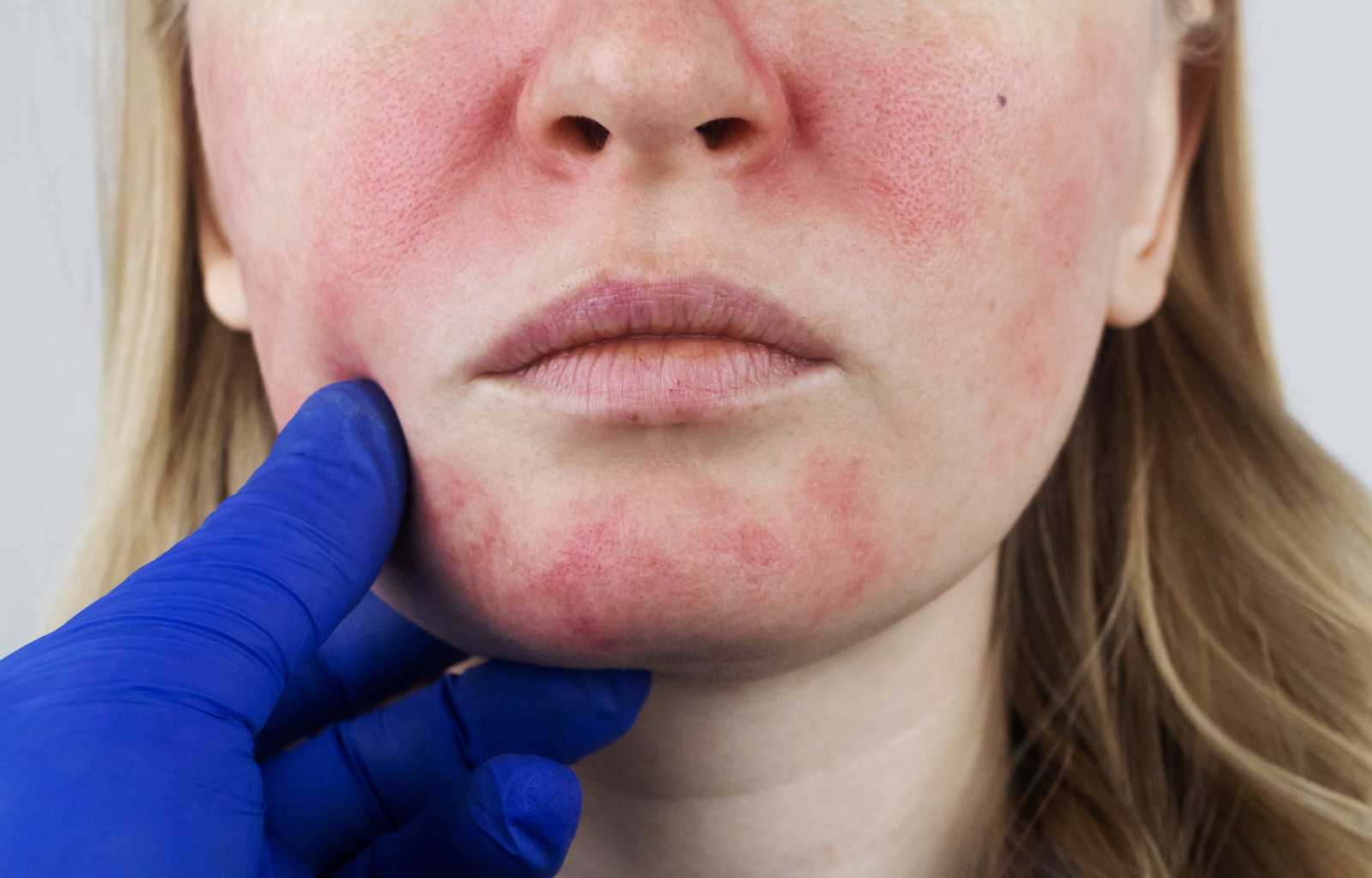
The clinical signs of rosacea differ considerably between different people affected by this illness. Common manifestations include:
- Flushing results in red skin that affects the full area between the forehead and chin together with the cheeks and nose.
- Active blood vessels named telangiectasia become noticeable on the skin surface.
- Inflammation causes Pustules and Papules to appear as acne-like bumps which become both tender and painful.
- The severe manifestation of rhinophyma causes skin tissue to become thickened until it acquires a bulbous structure.
The active substances that cause rosacea symptoms among patients include exposure to sunlight as well as stress together with alcohol beverages and spicy foods and heat and cold weather conditions. People need to identify which triggers cause their condition since the knowledge helps with better control. Mildest forms of rosacea receive treatment with topical medications together with oral prescriptions yet serious manifestations require patients to undergo advanced procedures like laser therapy.
The Role of Laser Therapy in Treating Rosacea

Laser therapy has emerged as a frontrunner in the treatment of rosacea due to its ability to target specific symptoms effectively. Here’s how it works:
1. Reducing Redness
The main concern with rosacea development is its long-lasting facial redness which occurs because enlarged blood vessels exist below the skin. The Pulsed Dye Laser (PDL) represents one of multiple vascular laser systems made to treat dilated blood vessels. Specific laser wavelengths disable hemoglobin present in blood vessels through targeted optical light emissions.
- Light energy in blood vessels creates heat when it receives absorption from this procedure. The body absorbs vessels after they collapse because of the heat produced by the treatment.
- The treatment results in a major decrease of facial redness following one treatment session although most patients achieve between 75% to 100% improvement after 1-3 treatment cycles.
Its targeted mechanism itself treats visible symptoms while helping to improve skin tone for increased self-confidence in personal looks.
2. Diminishing Visible Blood Vessels
- Small visible blood vessels known as telangiectasia prove to be especially resistant and troubling to rosacea sufferers. The highly effective beam of Intense Pulsed Light (IPL) therapy works to reduce the visibility of these veins.
- How It Works: Multiple wavelength emissions of IPL technology penetrate different layers of skin unlike conventional lasers operating with single-wavelength lights. IPL technology can reach different depths of blood vessels due to its versatile nature.
- Results: Patients receive significant improvements in flushing and visible veins reduction as IPL therapy takes effect inside the therapy period. IPL treatment benefits skin health in two ways by achieving cosmetic results while creating an even complexion.
3. Improving Skin Texture
Advanced rosacea cases that bring about rhinophyma make laser therapy indispensable for remolding affected tissue areas. Medical professionals use CO2 lasers together with erbium YAG lasers as ablative tools for this procedure.
- How It Works: The treatment uses lasers to eliminate thick skin layers accurately and it simultaneously induces collagen growth within the treated skin.
- Results: The outcome provides patients with skin surfaces that feel smoother together with a decreased distinction of the bulbous areas in the nose or cheeks. Treated patients experience a complete change which returns their physical shape while simultaneously reviving their sense of self.
Evaluating the Worth of Laser Treatment for Rosacea
Patients seek to know whether laser treatment provides sufficient value for its costs. Laser treatment provides multiple benefits which many patients discover as valuable and important factors.
- High Efficacy: Clinical studies demonstrate that most patients experience significant symptom reduction—often between 50% to 75%—after just a few sessions.
- Long-lasting Results: IThe treatment benefits remain active between three to five years until patients require repeat maintenance procedures.
- Minimal Downtime: Non-ablative laser treatments enable patients to begin their activities as normal within minutes post-treatment because they need minimal recovery time.
- Enhanced Quality of Life: Treatment of visible signs enables patients to reach higher self-confidence while creating comfort to engage socially with others.
The therapeutic effect of laser treatment does not eliminate rosacea completely yet it effectively reduces symptoms which cause vital daily life quality deterioration.
When Is Rosacea Treatment Considered Medically Necessary?
The medical necessity of treating rosacea applies when the condition disrupts physical health and emotional well-being and daily activities. Patients require professional medical treatment when the condition shows the following characteristics:
1. Persistent and Severe Symptoms
People who experience lasting facial redness or blood vessel visibility or inflamed papules need laser treatment as an advanced therapy because standard topical and oral treatments fail to work effectively.
2. Physical Discomfort and Functional Impairment
The presence of severe rosacea symptoms which include burning, stinging together with thickened skin formation (rhinophyma) generates physical discomfort while creating obstacles to normal daily functioning. The treatment of rosacea that affects the eyes together with nasal blockage from rhinophyma requires medical intervention.
3. Psychological Impact
When patients develop visible signs of rosacea these physical symptoms usually trigger feelings of social distress and depression together with decreased self-confidence. People need medical care when the emotional strain exceeds their mental state and life quality because treatment must include treatment of both physical and psychological elements.
4. Ineffectiveness of Standard Treatments
Unsuccessful control of rosacea symptoms with topical creams and oral antibiotics prompts medical professionals to use both laser therapy and surgical interventions for managing the condition to stop its advancement.
5. Complications Requiring Medical Intervention
Severe complications that result in recurrent infections combined with skin bleeding or functional blockage from rhinophyma need surgical procedures or laser therapy to preserve normal function and minimise additional problems.
Costs of Laser Treatment for Rosacea in the UK
The financial aspect of rosacea laser treatment is an important consideration:
- Session Costs: The cost for a treatment session in UK healthcare facilities falls between £200 and £400.
- Number of Sessions Required:The treatment process requires three to five sessions according to effectiveness requirements.
- Advanced Procedures: The cost of complex rhinophyma treatment exceeds standard outpatient procedure fees because it ranges from £1,000 to £2,500.
You should get in touch with your insurance company to examine your coverage since they usually exclude cosmetic procedures that are not medically required but certain clinics provide financing plans and bundled treatment packages for better affordability.
Finding Professional Help Near You
If you’ve been searching for “rosacea laser treatment near me,” choosing a qualified dermatologist experienced in laser technologies is crucial for achieving optimal results. Here are some tips for finding the right provider:
- Research Credentials: Dermatologists with board certification in treating rosacea through laser techniques should be your priority when performing your research.
- Read Reviews: Patients can better understand provider experiences from reading reviews submitted by previous patients..
- Consultation: Patients need to book a first appointment for a discussion of medical symptoms followed by treatment possibilities. The meeting lets you obtain information about their methods and their predictions of results from treatment.
Conclusion
The treatment of rosacea shifted toward laser therapy when it introduced solutions for repeated redness and visible veins and thickened skin. Through laser therapy patients experience lasting improvement of their rosacea symptoms which strongly affect their life quality. The initial step to recover your self-confidence starts with seeking consultation from an expert dermatologist regardless of your decision between cosmetic needs or medical requirements.
Frequently Asked Questions
- Is laser therapy effective for rosacea?
Absolutely! Laser therapy has proven highly effective in reducing redness and visible blood vessels while improving overall skin texture. - How much does laser treatment cost in the UK?
The cost typically ranges from £200–£400 per session on average; advanced procedures may go up to £2,500 depending on complexity. - Can laser treatment cure rosacea?
While laser therapy provides significant symptom relief and improves quality of life, it does not cure rosacea completely; ongoing management may still be necessary.