
Dermal fillers have become a popular option for those looking to enhance their facial aesthetics without undergoing invasive surgery. The Face is your trusted aesthetic skin clinic in Billericay. Our staff has the best professions, with several years of expertise in non-surgical and laser treatments. Dermal filler is another lip-plumping treatment in which our practitioners have perfection.
If you want to get dermal fillers, there are several factors to keep in mind to achieve results safely and effectively. So, let’s get started!
What Are Dermal Fillers?
Dermal fillers or soft tissue fillers are injectable treatments used to restore volume, smooth out wrinkles, and enhance facial contours. Dermal fillers work by filling in the spaces between collagen and elastin fibres, which are the proteins that structure and elasticity the skin. As we age, these fibres break down, causing the skin to lose volume and wrinkle. Dermal fillers help to restore this lost volume, resulting in smoother, more youthful-looking skin.
What are they made of?
There are several different types of dermal fillers, each made from a different substance. Some of the most common types of dermal fillers include:
. Hyaluronic acid: This is a naturally occurring substance found in the body that helps to keep skin hydrated and plump. Hyaluronic acid fillers are temporary and typically last for several months.
. Calcium hydroxylapatite: This is a mineral-like compound found in bones. Calcium hydroxylapatite fillers are also temporary and typically last for a year or more.
. Poly-L-lactic acid: This is a synthetic substance that stimulates the body’s own production of collagen. Poly-L-lactic acid fillers are semi-permanent and can last for two years or more.
Who should not get dermal fillers?
Dermal fillers are not recommended for people who are pregnant or breastfeeding or who have certain medical conditions, such as autoimmune diseases or bleeding disorders.
How long do dermal fillers last?
The duration of dermal fillers varies depending on the type of filler used and the individual’s metabolism. However, most dermal fillers last for several months to two years.
Benefits of Dermal Fillers
Dermal fillers offer numerous benefits, making them a popular choice for cosmetic enhancement:
1. Reduce Wrinkles and Fine Lines: Fillers can effectively plump up the skin, filling in wrinkles and fine lines, particularly around the area of the mouth, nose, and forehead.
2. Restore Lost Volume: Fillers can be used to restore volume to the cheeks, temples, and under-eye area, creating a more youthful look.
3. Enhance Facial Contours: Fillers can be strategically placed to enhance or define specific facial features. They can be used to augment the cheeks, chin, and jawline, creating a more sculpted and symmetrical appearance.
4. Quick Procedure: The treatment usually takes about 30 minutes to an hour, depending on the areas being treated.
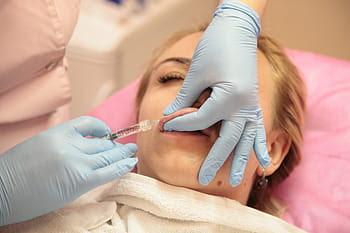
5. Plump Lips: Fillers are commonly used to add volume and good definition to the lips, creating a fuller and more youthful pout.
6. Non-Surgical and Minimally Invasive: Unlike surgical procedures, dermal filler injections require no incisions or extensive downtime. The procedure is relatively quick and can be performed in a doctor’s office.
7. Immediate Results: You can see the results almost instantly, with minimal downtime required.
8. Customisable: Dermal fillers can be tailored to each individual’s specific needs and desired outcomes, allowing for personalised treatment plans.
9. Natural-Looking Results: When performed by a skilled practitioner, dermal fillers can offer subtle, natural-looking enhancements.
Popular Areas for Dermal Fillers
Some common areas where dermal fillers are used include:
. Lips: To add volume and definition.
. Cheeks: To restore lost volume and provide a youthful lift.
. Nasolabial Folds: To smooth out deep lines running from the nose to the mouth.
. Marionette Lines: To reduce lines running from the corners of the mouth to the chin.
. Under-Eye Area: To diminish the appearance of dark circles and hollows.
. Jawline and Chin: To enhance definition and contour.
What to Expect During the Procedure
Before the procedure, you’ll have a consultation with the concerned practitioner. We will understand your desired aesthetic outcome, assess your facial structure and features, and discuss your medical history in detail.
Be prepared to talk about any allergies, medications you’re taking, and any previous cosmetic procedures you’ve had. You can also ask any questions you might have and get a clear picture of what to expect.
On the Day of the Procedure
1. Arrival and Preparation: You’ll likely be asked to arrive a little early to fill out paperwork. You might be given a gown to change into, and your hair may be pulled back if necessary.
2. Cleansing: The area where the filler will be injected will be thoroughly cleansed with an antiseptic solution. This helps prevent any bacteria from entering the injection sites.
3. Numbing: There are a few options here:
. Topical Numbing Cream: A cream or gel will be applied to the area and left on for a while to numb the skin.
. Local Anesthetic: A small injection of a numbing medication might be given directly into the treatment area.
. Filler with Lidocaine: Some fillers have lidocaine (a numbing agent) mixed in, which can reduce discomfort during the injection.
4. Injection: The filler will be carefully injected into the targeted areas using a very fine needle or a cannula (a thin, blunt-tipped tube). You might feel a slight pinch or pressure, but it shouldn’t be painful due to the numbing. The practitioner will inject small amounts at a time and assess the results as they go.
5. Massage and Molding (if applicable): In some areas, like the lips or cheeks, the practitioner might gently massage or mould the filler immediately after injection to ensure it’s evenly distributed and to create the desired shape.
6. Clean-up and Aftercare Instructions: The treated area will be cleaned again. The practitioner will give you detailed instructions on how to care for the area after the procedure. This might include advice on icing, avoiding certain activities, and using any prescribed creams.
Post-Procedure Care
After the procedure, you might experience some swelling, redness, or bruising, which should subside within a few days. Here are some tips to ensure a smooth recovery:
. Avoid Touching: Refrain from touching or massaging the treated areas for at least 24 hours.
. Stay Hydrated: Drink plenty of water to help maintain the results.
. Avoid Strenuous Activities: Steer clear of intense physical activities and avoid heat exposure (such as saunas) for the first 48 hours.
. Follow-up: Attend any follow-up appointments with your practitioner to monitor the results.
Cost of Dermal Fillers in Billericay
The cost of dermal fillers can vary based on several factors, including the type of filler used, the areas being treated, and the practitioner’s expertise. On average, you can expect to pay between £200 and £800 per syringe. It’s important to remember that the cheapest option is not always the best; quality and safety should be your top priorities.
Conclusion
Dermal fillers can be a fantastic way to enhance your appearance and boost your confidence without the need for invasive surgery. While dermal fillers are generally safe, there are some risks of temporary bruising, swelling, asymmetry, and infection. This happens when the procedure isn’t done in the right manner. So, it’s also very important to get your process done with a qualified practitioner.
At The Face, all our experts are highly trained, certified, and skilled. We make sure you’ll get your dermal filling process in a right way. Contact our clinic at 01277563635 to schedule an appointment.